When considering fashion, the materials play a crucial role. Expert consultant Sarah Thompson, a renowned authority in textile design, states, "The right fabric can transform an outfit, elevating both style and comfort." Understanding the intricate details of clothing materials is essential for any fashion enthusiast.
In our Fashion Clothing Material Guide, we will explore the ten most significant fabrics used in the industry today. From luxurious silk to durable denim, each material carries unique characteristics. Knowing how these fabrics interact with design and wearability is vital for creating stunning outfits.
While trends come and go, the selection of clothing materials remains a timeless skill. However, even seasoned designers must continually reassess their choices. Exploring new fabrics can bring fresh ideas but may also present challenges. Understanding how to balance creativity with practicality is key in this dynamic landscape.
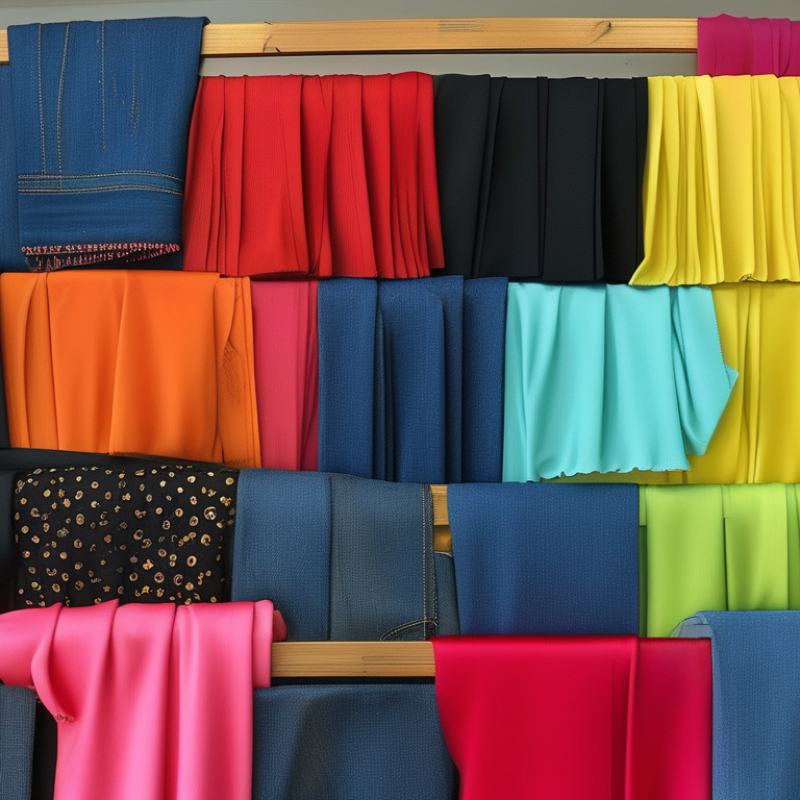
Understanding Natural Fibers: Cotton, Linen, Wool, and Silk
Natural fibers play a vital role in fashion. Cotton, linen, wool, and silk are leading materials that you should know. According to a report from Market Research Future, the global cotton market size is projected to reach $40 billion by 2025. Cotton is soft and breathable, making it a favorite for everyday clothing. However, it requires significant water for farming, raising sustainability concerns.
Linen, derived from flax plants, is known for its durability. The European Confederation of Linen and Hemp reports that linen production has increased by 10% in the past five years. It is highly absorbent and valued for summer wear. Conversely, its tendency to wrinkle can deter some consumers. Wool is thermally efficient and naturally moisture-wicking. The Woolmark Company estimates the global wool market is worth nearly $4 billion. Yet, animal welfare and environmental issues surrounding wool production prompt ongoing debates.
Silk, admired for its luxurious feel, is produced by silkworms. The global silk market is expected to grow at a CAGR of 7% through 2027, per data from Allied Market Research. Silk clothing drapes beautifully but is often criticized for its high cost and fragility. It challenges the balance between affordability and quality in fashion. The world of textiles is shifting, and understanding these materials is crucial for conscious fashion choices.
Exploring Synthetic Fabrics: Polyester, Nylon, and Spandex
When it comes to fashion, understanding the materials is crucial. Synthetic fabrics like polyester, nylon, and spandex play a significant role in modern clothing. Polyester is widely used for its durability and versatility. It resists wrinkles and maintains color well. Many athletic garments and casual wear incorporate this fabric due to its moisture-wicking properties. Yet, it’s worth considering its impact on the environment. The production process often involves chemicals and fossil fuels.
Nylon is another synthetic fabric often found in activewear and outdoor clothing. It offers excellent strength and elasticity. This means it conforms well to the body. However, while nylon is lightweight, it doesn’t breathe as well as some natural fabrics. This can lead to discomfort in hot weather.
Spandex, known for its incredible stretch, has revolutionized how we think about fit. Commonly blended with other materials, it allows for greater freedom of movement. This stretch is fantastic for form-fitting garments, but over-reliance on spandex can lead to garments that lose shape. Balancing synthetic and natural fibers can enhance comfort and sustainability. Exploring these fabrics can reveal a lot about your wardrobe choices.
The Role of Blended Materials in Modern Fashion Design
Blended materials have transformed modern fashion design. They combine fibers to create unique textures and enhance performance. This versatility allows designers to experiment with styles while providing comfort and durability. For instance, a cotton-polyester blend retains breathability but adds strength, making it ideal for everyday wear.
Choosing the right blend can be tricky. Some materials fade quickly, while others may lose shape after a few washes. It's essential to understand how each fiber interacts. Not all blends will suit your needs. Test different combinations to discover your favorite fabric feel. While synthetic materials offer durability, natural fibers often provide comfort.
Consider the environment when selecting your materials. Sustainable blends are gaining popularity. They minimize environmental impact while still offering aesthetic appeal. However, be wary of claims. Not all brands transparently disclose their sourcing practices or methods. Conduct research to ensure you support ethical fashion. Blended materials present both opportunities and challenges in fashion design. Embrace the journey of exploration.
Sustainable and Eco-Friendly Fabrics in Today’s Fashion Industry
Sustainable and eco-friendly fabrics have become essential in today’s fashion industry. Consumers are increasingly aware of their choices. They seek materials that reflect their values. Organic cotton, for instance, uses fewer chemicals. This process protects both the environment and the farmers. Hemp is another example. It grows quickly and needs little water. The durability of hemp makes it ideal for long-lasting garments.
Recycled fabrics are worth noting as well. These materials reduce waste and lower the demand for new resources. Polyester made from plastic bottles is prominently used. It shows how innovative solutions can reshape fashion. However, the use of synthetic fibers also raises concerns about microplastics. This reality urges buyers to consider eco-friendly options carefully.
While many brands are making strides, not all claims are transparent. Greenwashing is a significant issue, causing confusion among consumers. It’s essential to research and choose reputable companies. Each choice matters in the pursuit of sustainability. Engaging with local artisans or small-scale producers can promote responsible practices. Understanding the implications of our purchases leads to a more sustainable future in fashion.
Innovations in Fabric Technology: Smart Textiles and Performance Materials
Innovations in fabric technology are revolutionizing the fashion industry. Smart textiles and performance materials are at the forefront of this change. These fabrics adapt to environmental conditions and the wearer's needs. A recent report from the Textile Institute indicates that the smart textile market is expected to reach $5.4 billion by 2024. This shift displays a growing demand for functionalities beyond aesthetics.
One prominent feature of smart fabrics is their ability to regulate temperature and moisture. For instance, fabrics embedded with phase change materials can cool or warm a garment based on body heat. Additionally, performance materials enhance durability and protection against elements, making them ideal for outdoor wear. However, these advanced textiles can be costly. A significant concern is the environmental impact of producing such materials, exemplifying the need for sustainable innovations.
While the integration of technology into fashion is promising, it has challenges. Not all smart fabrics are widely available or affordable. The industry still grapples with scalability and consumer acceptance. As brands explore these innovations, finding a balance between technology, usability, and sustainability remains crucial. Insights from market studies highlight that consumers are increasingly cautious, valuing eco-friendliness and function over fleeting trends.
Top 10 Fashion Clothing Materials You Need to Know
FAQS
: The main types include polyester, nylon, and spandex. Each has unique properties suitable for various clothing.
Polyester is durable, versatile, and resists wrinkles. It's commonly used in athletic wear for its moisture-wicking ability.
While strong and elastic, nylon doesn’t breathe well. This can cause discomfort in hot weather during physical activities.
Spandex offers incredible stretch, allowing garments to fit snugly. However, too much spandex can result in loss of shape.
Organic cotton, hemp, and recycled fabrics like polyester from plastic bottles are good choices for eco-friendly fashion.
Greenwashing occurs when brands make misleading claims about their sustainability. It creates confusion for consumers seeking eco-friendly options.
Research brands carefully, engage with local artisans, and choose materials that align with personal values to promote responsible practices.
Yes, the production of synthetic fabrics often involves chemicals, and they can contribute to microplastic pollution over time.
Organic cotton uses fewer chemicals, helping to protect the environment and farmers during production.
Sometimes, yes. The comfort level of synthetic fabrics can vary, particularly in extreme weather conditions.
Conclusion
In the "Fashion Clothing Material Guide," we delve into the essential fibers and fabrics that shape the fashion industry. The article begins by examining natural fibers such as cotton, linen, wool, and silk, highlighting their unique properties and applications in clothing design. It then transitions to synthetic fabrics like polyester, nylon, and spandex, which offer durability and flexibility, catering to modern fashion demands.
Further, the guide emphasizes the significance of blended materials, which combine the best qualities of different fibers for versatile and innovative designs. With a growing focus on sustainability, the article also discusses eco-friendly fabrics that are becoming increasingly popular among designers and consumers alike. Finally, it explores innovations in fabric technology, including smart textiles and performance materials, showcasing how these advancements are revolutionizing the way we approach fashion.

 VEIL Fashion